
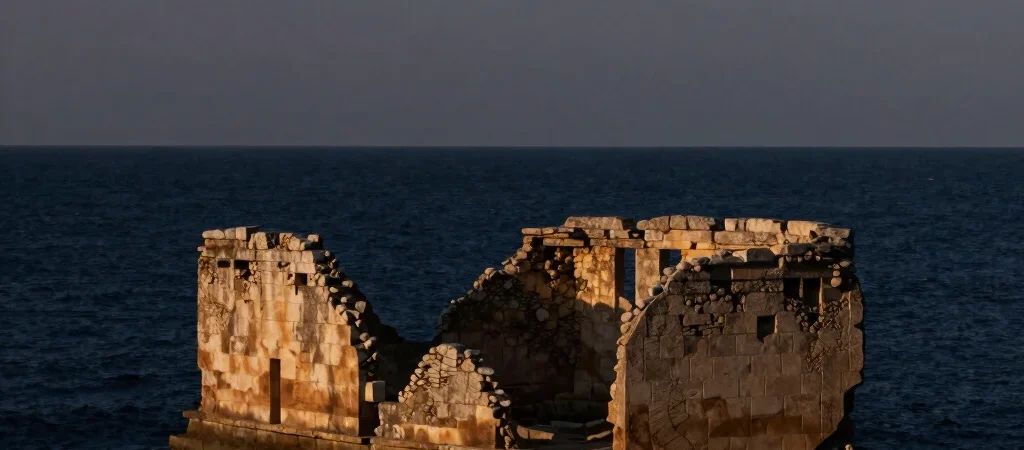
Off the coast of Gujarat, where the Arabian Sea laps against ancient shores, fishermen have long told tales of a golden city swallowed by the waves. According to the Mahabharata, Dwarka was built with divine precision, featuring sprawling gates and ocean-facing bastions before being reclaimed by the sea. For centuries, these accounts were dismissed as poetical imagery until marine archaeologists began uncovering massive stone anchors and submerged masonry.
The Archaeology of the Deep
Underwater explorations along the Gulf of Kutch revealed dressed limestone blocks and submerged harbor structures lying meters below the surface. These physical remnants suggest a sophisticated maritime center that traded far across ancient ocean routes. While scholars continue to debate the exact era of construction, the stones themselves prove that memory often outlasts the land on which it stood.
When Myth Meets Tidal Reality
The story of a grand city consumed by water is far from unique, echoing through accounts of Atlantis, Vineta, and Ys across world lore. Human cultures living near volatile coastlines repeatedly watched ocean tides swallow thriving settlements during shifting climatic eras. Dwarka serves as a poignant reminder that ancient myths frequently carry the authentic weight of geographical memory.
Preserving Memory Across Time
Sitting quietly with these ocean-bound legends invites us to look past modern skepticism and honor the oral traditions of coastal elders. As dusk settles over the water, the drowned walls of Dwarka remind us that lost worlds are never truly forgotten as long as we continue to tell their tales.