
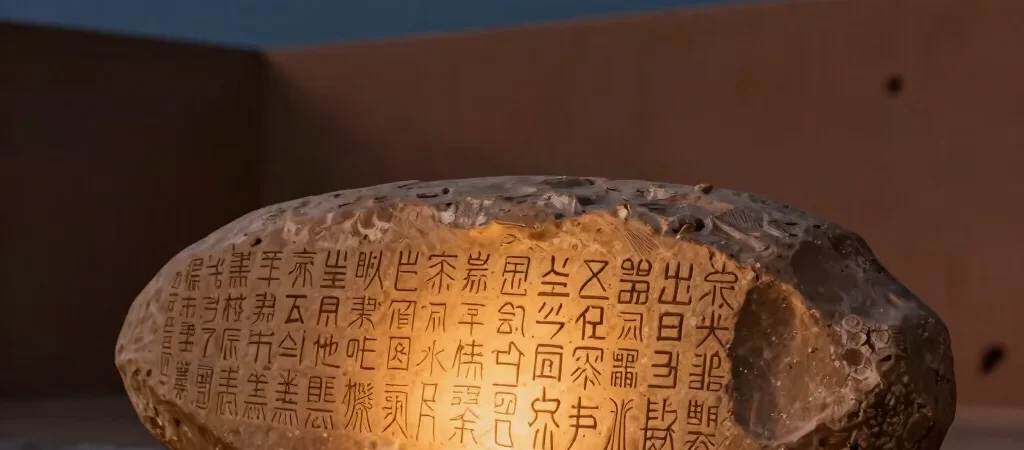
Dusk falls over the floodplains of the Tigris and Euphrates, where four thousand years ago, human hands pressed reed styluses into wet river mud. The Epic of Gilgamesh was not merely an adventure recorded for kings, but a raw reflection on grief, brotherhood, and the quiet acceptance of our mortal span. When we gather around the hearth today, its cadence feels remarkably familiar, reminding us that our deepest questions have changed very little over millennia.
The Clay Tablets of Uruk
In the ancient city of Uruk, stories were preserved on durable baked clay rather than fragile papyrus. Scribes painstakingly etched cuneiform script into tablets, creating records that could withstand fire, war, and the slow erosion of centuries. These silent tablets sat buried under desert sands for ages, waiting for modern voices to give them life once more.
A Search for Eternal Youth
Gilgamesh's journey to the edge of the world following the loss of Enkidu mirrors every human attempt to conquer death. His failure to remain awake for seven nights, and the theft of the rejuvenating plant by a serpent, are timeless motifs that appear across global mythology. It is a story that refuses neat, magical resolutions, offering instead the quiet dignity of returning home to build walls that endure.
Pulling Up a Seat to Ancient Echoes
Listening to this epic today connects us directly to the ancient listeners who sat beneath Mesopotamian night skies. The baithak remains open for these ancient voices, ensuring that the wisdom carved into clay continues to illuminate our modern nights.